Dublin, Ireland
The Irish Film Institute (IFI) is the national body for film and film culture in Ireland, centrally located in Dublin. Operating under the core mission to exhibit, preserve, and educate, the institution also houses the Irish Film Archive. While it is not a government body, it is publicly supported, receiving 21% of its funding from the Arts Council of Ireland, with the remainder generated through box office, café, and bar sales. As a publicly funded entity, the IFI has a formal obligation to make its art form accessible to the public, a duty that heavily drives its inclusivity initiatives.
Spaces
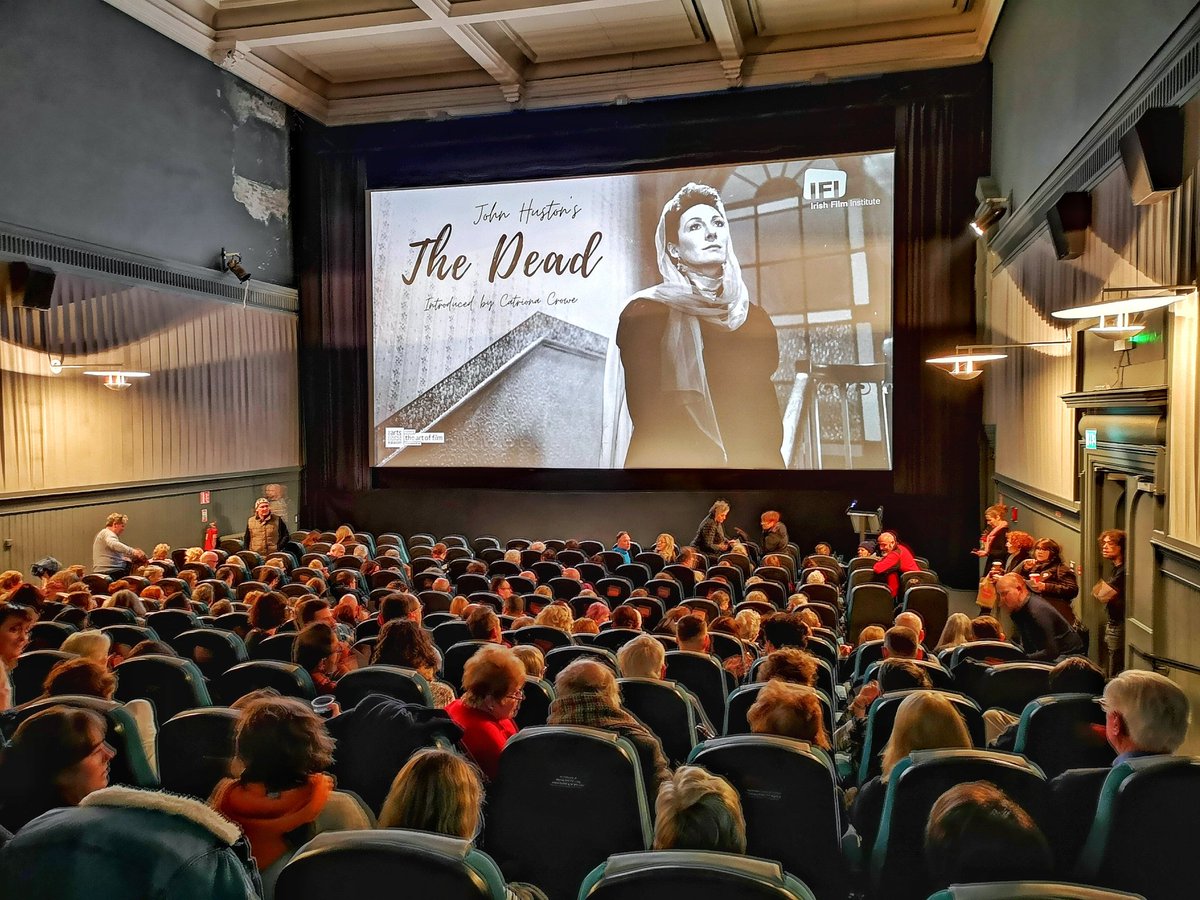
The IFI operates three cinema screens within its central Dublin location. Through its newly developed strategic pillars, the organisation places a strong emphasis on “equity,” which involves removing systemic physical barriers to participation, such as ensuring the venue is fully wheelchair accessible. The core philosophy driving their spatial and structural improvements is the recognition that barriers are created by the institution, not by the individuals with disabilities.

Programming
Around a decade ago, with the advent of digital cinema, the IFI began formally integrating accessibility into its programming by securing digital files with open captions and audio description. Today, it is established that every month features designated screenings with captions and audio description, though this remains dependent on distributor availability.
Recognising that Ireland’s demographics have changed dramatically, the IFI has expanded its programming to ensure minority and ethnic communities see their stories on screen, hosting events like the Latin American Film Festival. Crucially, the IFI is currently undergoing a cultural shift: rather than relying entirely on internal staff, they are increasingly inviting external programmers from specific communities to make film selections, acknowledging that lived experience is just as valuable as traditional film expertise.
Communication
The IFI’s accessibility journey began with direct communication. Roughly ten years ago, motivated partially by the Head of Education’s own experience with hearing loss, the cinema ran focus groups with deaf, hard-of-hearing, blind, and visually impaired communities in Dublin to introduce them to the cinema’s accessible technology. The IFI recognises that it is not enough to simply program diverse films; many economically disadvantaged or marginalised groups do not have a tradition of attending such venues, meaning the cinema must proactively reach out and invite these communities in.
Services
To deliver its accessible screenings, the IFI relies on specific technology, providing audio description through headsets and displaying open captions for the entire audience. To combat economic exclusion, the institution has introduced a highly successful discount card for young audiences; originally for those 22 and under, the director recently raised the bracket so that anyone aged 25 and under can attend screenings for just €5. Furthermore, when consulting marginalised groups for feedback, the IFI advocates for providing free tickets to remove financial barriers and incentivise participation.
Organisational Approach
The IFI recently launched a comprehensive Equality, Diversity, and Inclusion (EDI) strategy built on three main pillars: inclusivity, representation, and equity. This strategy is designed to break down systemic barriers and ensure that the institution evolves organically alongside society. To remain relevant and forward-looking for the next decade, the organisation is not only focusing on audience diversity but has also launched a dedicated climate action and sustainability strategy.
Cinema-to-Cinema Advice
- Cinemas must change the outdated mindset of “doing a favour” for disabled audiences. Providing access is not a charity; it is a fundamental right enshrined in the Universal Declaration of Human Rights. It is vital that audiences are made to feel entitled to this access.
- Do not view low attendance as a disaster. Even if only one or two people from a marginalised community attend, listen to them. That one person can provide invaluable feedback and act as a bridge to connect you with their wider community.
- If you want to gather opinions from specific groups (such as the visually impaired community), make it as easy as possible for them to attend. Offer free tickets to get them in the door, as simply getting people to experience the venue is the first step to proving the art form is not lost to them.