
Training
Embarking on the journey to create inclusive and accessible activities can feel overwhelming. Where should you begin? How can you avoid mistakes? And why does this work matter so much? We want you to know – you’re not alone. We’re here to support you every step of the way as you build a more welcoming and caring cinema.
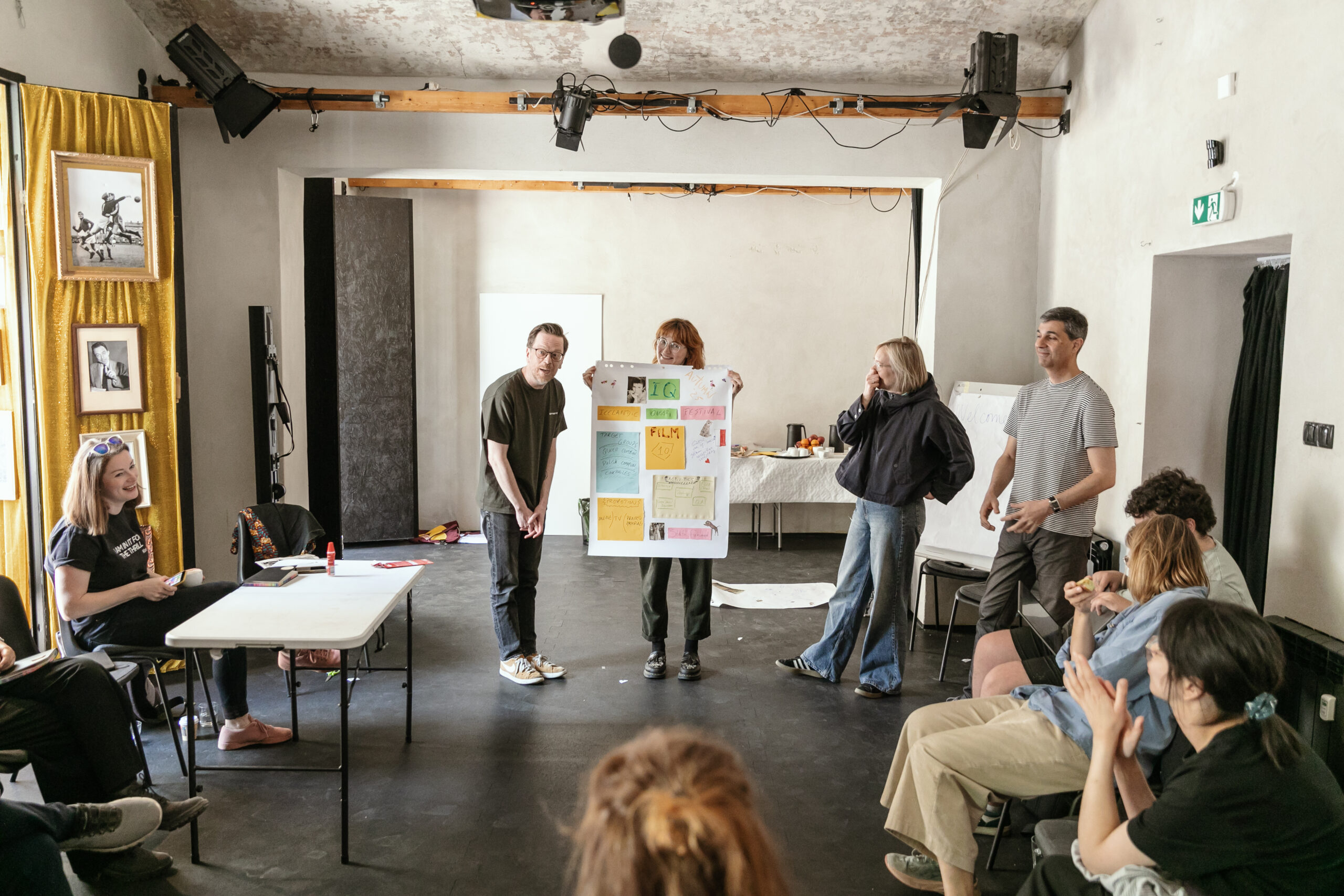
In 2025, we launched an intensive, five-day pilot training program designed specifically for cinema professionals. This initiative provides practical tools, shares valuable knowledge, and encourages thoughtful discussion on making cinemas accessible to historically marginalised groups – including people with disabilities, those experiencing poverty, minorities, and others. Together, we’re working to ensure that everyone has the opportunity to enjoy the magic of cinema.
Goals
The primary goal of our training is to empower cinemas to diversify their audiences, paving the way for greater sustainability and self-sufficiency. There is a massive potential – and significant social and benefit – in reaching out to groups who have historically been excluded from the cinematic experience. Expanding access is not only the right thing to do; it’s also a smart economic strategy for cinemas that want to thrive in the years ahead. By embracing inclusivity, cinemas can build stronger communities and secure a vibrant future for themselves and their audiences.
Topics
The training focuses on making cinemas accessible to historically marginalised groups, turning them into “caring cinemas” – a complex challenge. To address this, we adopted a holistic approach and structured the program into five distinct modules, each exploring a key area of cinema operations. This ensures that all critical aspects of accessibility and inclusion are thoughtfully covered, equipping participants with practical knowledge and strategies for real-world impact.
Individual Motivations
What motivates you to change your cinema for the better? This module explores the personal and professional reasons behind making your cinema more inclusive, helping participants connect with their own values and aspirations for positive change.
Spaces & Technology
How do our spaces feel? Are they accessible? Is the necessary technology available? We examine the physical environment and technological infrastructure of cinemas, identifying barriers and opportunities to create welcoming, accessible spaces for all.
Programming
How, what, and with whom do we program films? This session delves into curating film selections and events that reflect diverse voices and experiences, as well as building partnerships to enrich your cinema’s offerings.
Communication & Services
How do we communicate with our audiences? Discover effective strategies for reaching and engaging with all audience members, including accessible communication methods and inclusive customer service practices.
Organisational Implementation
How do we train our employees to implement these strategies? Learn how to embed accessibility and inclusion into your cinema’s operations through staff training, policy development, and ongoing evaluation.
Facilitators

Karin Spišáková
Project Manager

Andrea Čurošová Gavalcová
PR & Marketing Manager

Barbora Andor Tóthová
Project Manager

Natália Centková
Project Manager
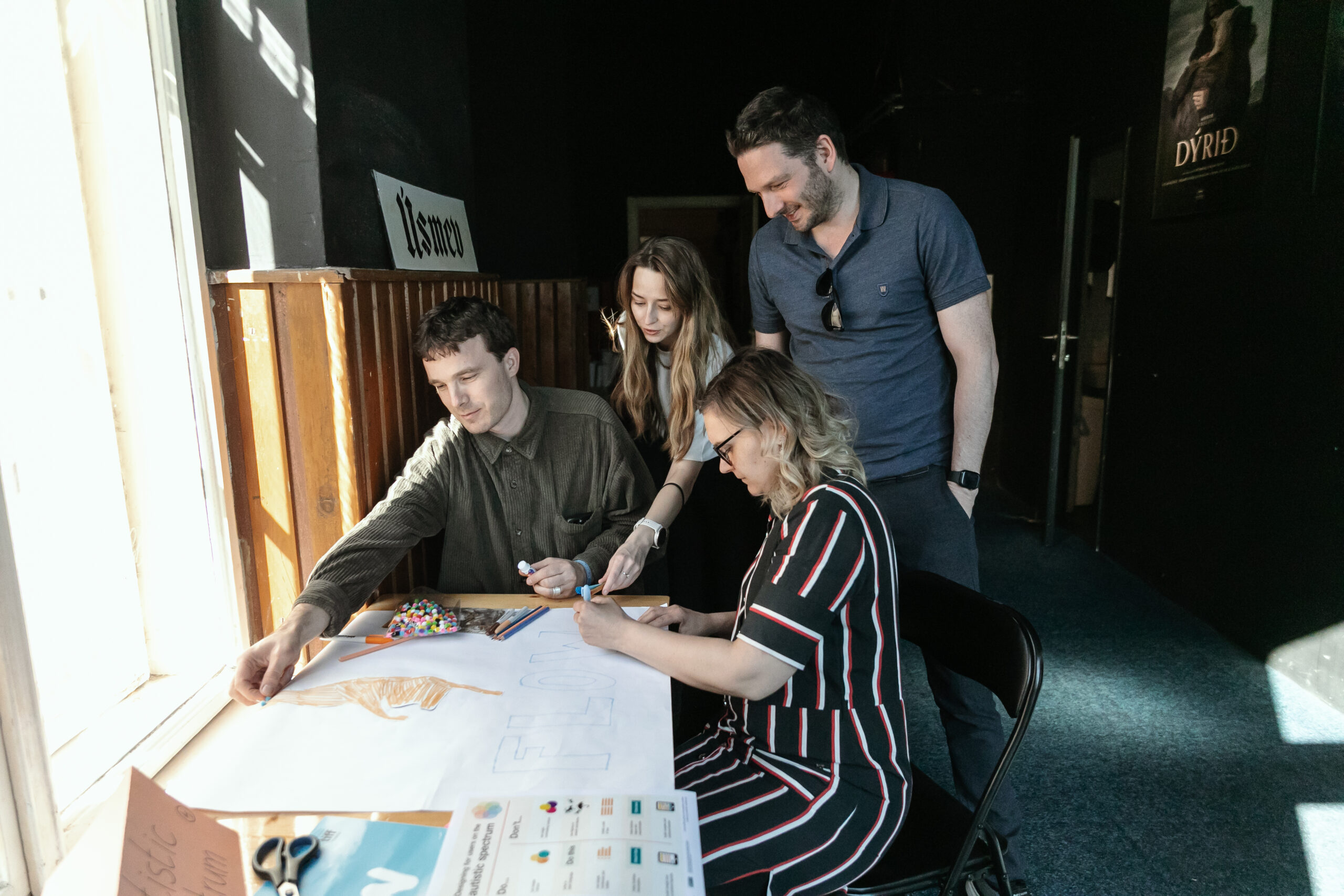

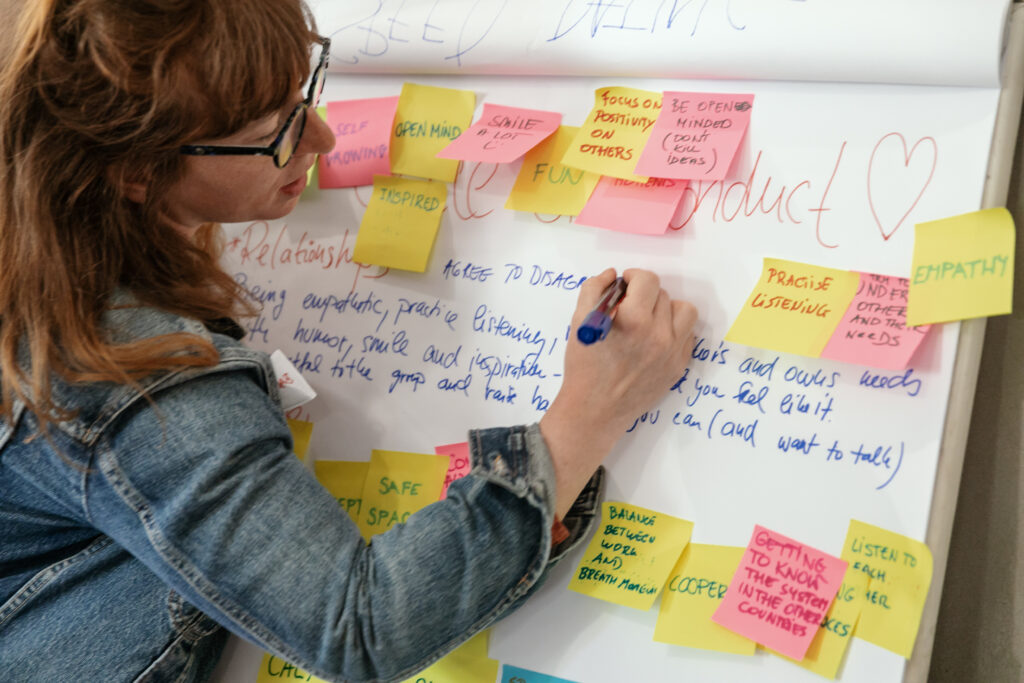
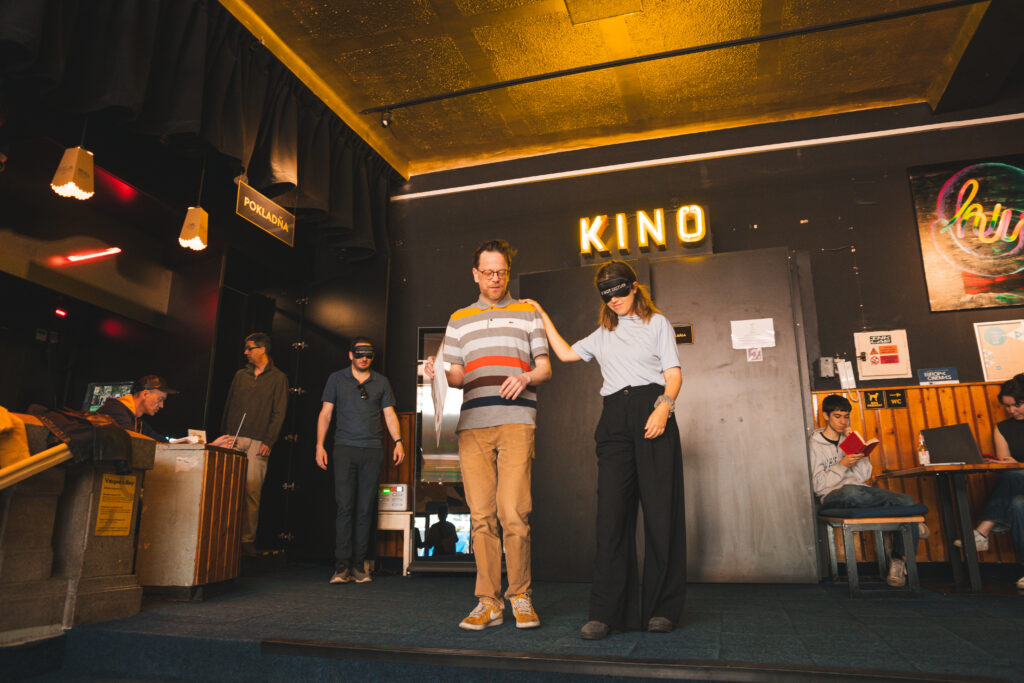

Participants
2025 Edition:
- Maris Prombergs – Kino Bize, Latvia
- Guido Franken – The Netherlands
- Bruno Castro – Alvalade cineclube, Portugal
- Sara Mayenfisch – Cinema Cityclub, Switzerland
- Elise Mignot – Café des images, France
- Elisa de Schepper – KASKcinema, Belgium
- Emmett Hegedűs – Tabán artmozi, Hungary
- Joanna Stankiewicz – Kino Palacowe, Poland,
- Veronika Kyselá – Bio Central, Czechia
- Tomáš Ondráček – Bio Central, Czechia
- Vilma Levickaite – Skalvijas kino centras, Lithuania
- Óli Hjörtur Ólafsson – Bíó Paradís, Iceland