Vilnius, Lithuania
Skalvija kino centras is a municipal arthouse cinema in Vilnius, Lithuania, with a strong focus on non-commercial, predominantly European films and long-term educational projects. Opened in 1963, the cinema originally belonged to a centralised network. It uniquely survived the widespread cinema closures of the 1980s and 1990s, largely because it is situated in a residential building with low direct commercial potential. Today, it operates as a cultural organisation under the municipality’s Cultural Department, tasked with providing a high-quality cultural service to the citizens of Vilnius
Spaces
The venue is currently described as having a “shabby but charming” or “hipster” aesthetic, lovingly maintained despite resembling a cinema from the 1990s. However, management recognises the need for modernisation; a major future priority is to physically renovate the space, redesign the brand, and make the premises more functional, inclusive, and accessible.
Programming
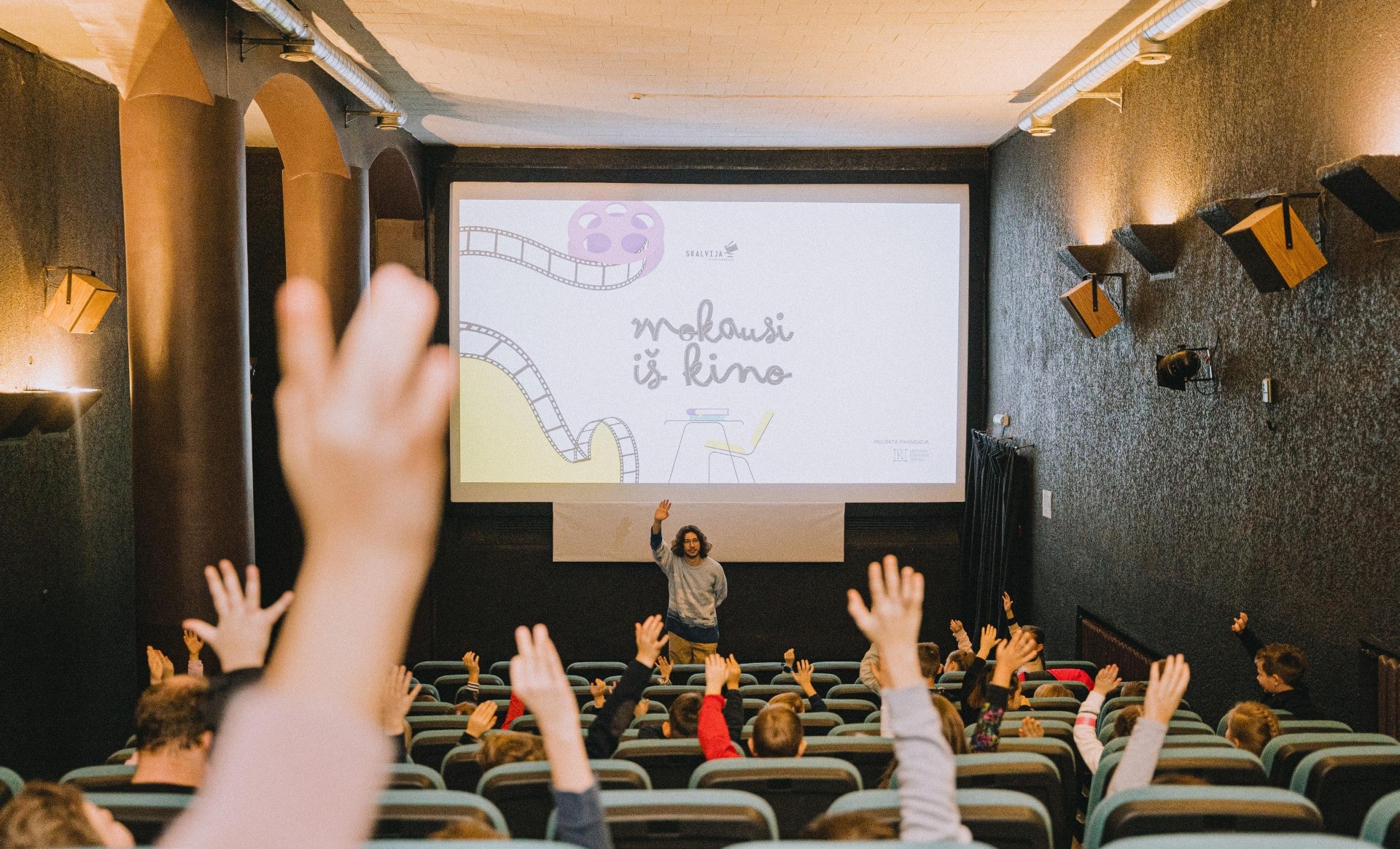
Skalvija offers a high-profile, intellectual, and context-based film programme that adheres to strict qualitative criteria to ensure diversity and excellence. A massive pillar of their identity is film education, which is specifically targeted at young people up to the age of 18. In 2005–2006, inspired by Scandinavian film literacy models, they established a highly successful Film Academy. Additionally, they curate a specific film programme for schools, carefully selecting films and distributing educational materials to assist teachers in the classroom.
Communication
Because their Film Academy is so famous and highly sought-after, Skalvija relies heavily on positive word of mouth among young people rather than traditional dissemination. For their school programmes, their strategy requires a more targeted approach, focusing on directly convincing teachers of the educational value of the films. Looking to the future, a key communication goal is to improve information distribution in suburban areas to reach underprivileged young people who might mistakenly believe the cinema’s programmes are only for privileged children.
Services
During the COVID-19 pandemic, Skalvija developed an online platform that remains a vital service today. This digital platform allows remote schools in regions without physical cinemas to legally stream films, access supplementary educational materials, and even participate in online meetings with filmmakers. For their flagship Film Academy, the demand is so high that students must take an entrance exam to participate.
Organisational Approach
The cinema’s educational initiatives began as a bottom-up approach long before there was state-level understanding of cultural education. Today, they strictly follow the city’s cultural strategy, prioritising education, inclusivity, diversity, and accessibility. Rather than outsourcing programming to youth or “young programmers,” the Skalvija staff retains full control over film selection to guarantee high standards and diverse age-group representation. The institution has successfully cultivated a powerful community of Film Academy alumni – many of whom are now award-winning professional filmmakers at festivals like Sundance and Locarno – who regularly return as educators and serve as loyal, lifelong ambassadors for the cinema.
Cinema-to-Cinema Advice
- Understand the viewing habits, experiences, and expectations of the people you are addressing. Especially in smaller areas, it is vital to build real relationships and connections with your local community.
- Simply showing a film is not enough to build an audience. You must organise engaging activities, events, and supplementary projects to truly attract and motivate people.
- You cannot rely on passion alone; it is essential to think carefully about the financial aspects and set up a solid business plan from the very beginning.
