These screenings feature adjustments designed to support neurodivergent audience members by minimising sensory, visual, or audio triggers. Cinemas can often become crowded and noisy, which may feel overwhelming or uncomfortable for some people.
Neurodivergent individuals – such as those with autism, ADHD, and Asperger’s syndrome – may benefit from screenings with softer lighting, reduced sound levels, and a more relaxed environment. Because neurodivergence encompasses a wide spectrum of experiences and needs, it’s important to consult with as broad a group of people as possible when planning adjustments.
Spaces
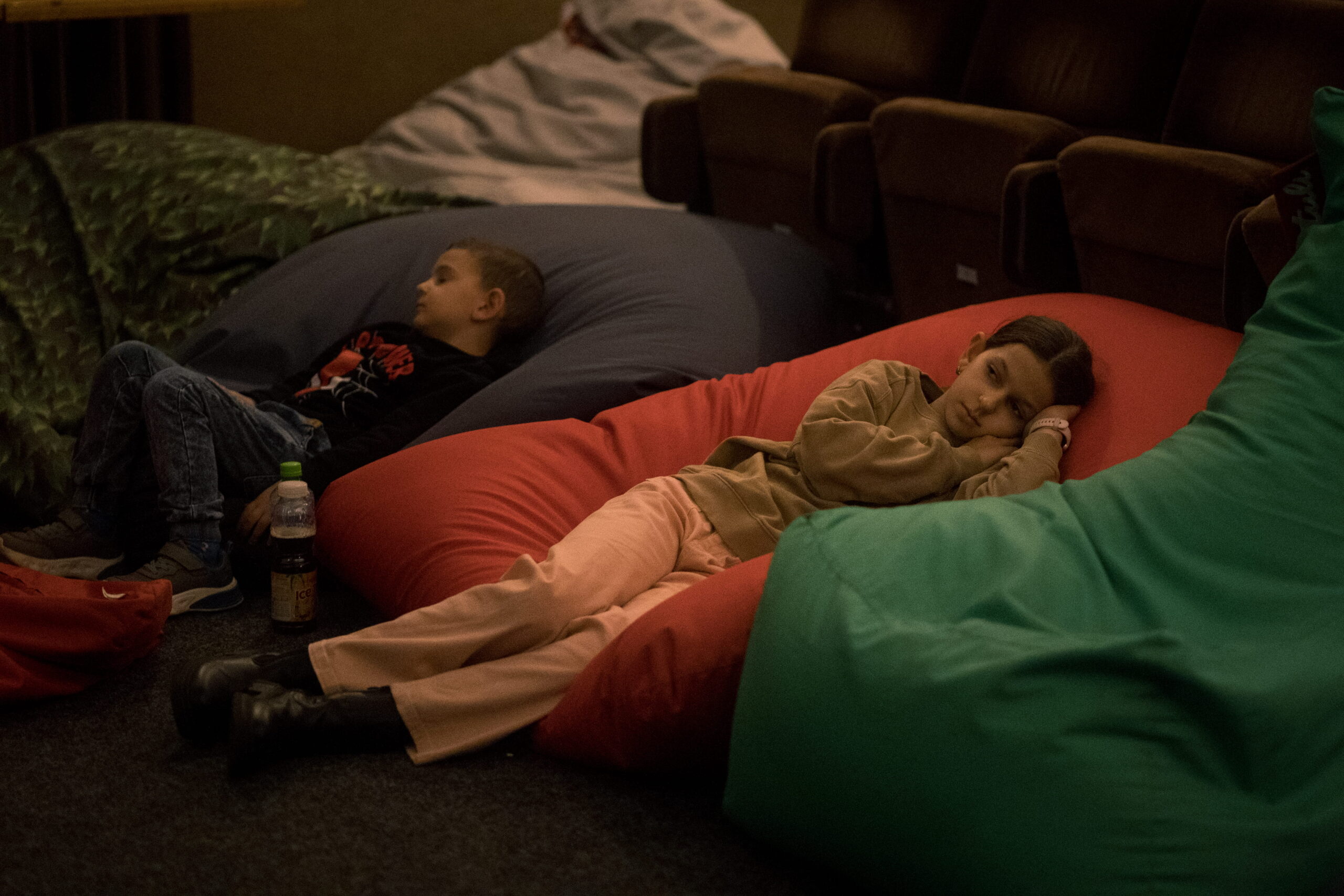
It’s helpful to provide a map or visual guide of the cinema space to audiences ahead of their visit, as this can ease anxiety and help guests feel more prepared. Offering a dedicated quiet area equipped with sensory items gives visitors a comfortable retreat if they need a break. Keeping the cinema hall doors open allows for easy entry and exit, and audience members should feel free to move around the space as needed, without fear of reprimand. Additionally, keeping the lights dimmed throughout the film and lowering the sound volume helps prevent sudden, unexpected changes that can be overwhelming.
Communication
Partnering with local groups that represent neurodivergent individuals and promoting screenings through their communication channels is an effective way to reach and engage your audience. It’s important to provide clear, detailed information about how to purchase tickets, the location of the screenings, costs, duration, and any other relevant details to help attendees prepare and feel comfortable. For non-verbal audience members, providing lists with icons that clearly represent available products and services can be very helpful.
Programming
Screenings should start on time and be marked in the programme as sensory-friendly to help audiences plan their visit with confidence. It’s also important to avoid any sudden audiovisual changes during the film. Content warnings can also be a good idea.
Services
Having a dedicated team member available for audience support is highly beneficial. It allows guests to familiarise themselves with someone they can approach for assistance. This staff member should wear clearly identifiable attire that distinguishes them as part of the cinema team, making it easy for audience members to recognise and seek help when needed.